Research into glaucoma
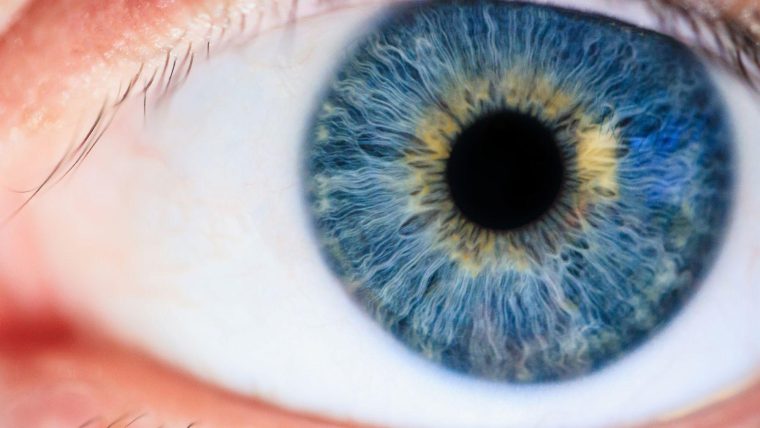
We’re funding glaucoma research studies to help diagnose and treat glaucoma more effectively, because we believe that people’s sight matters.
Glaucoma is a group of eye conditions where the optic nerve becomes damaged, resulting in sight loss. It’s one of the most common causes of blindness worldwide.
10% Ten per cent of people in the UK who go blind do so due to glaucoma.
500,000 Over half a million people in the UK have glaucoma –that’s 2% of everyone over the age of 40.
Causes of Glaucoma
Learn more
The optic nerve carries signals from the eye to brain and allows you to see. Any damage to the optic nerve therefore prevents those signals from reaching your brain, which results in sight loss. Usually, this is caused by an increased pressure inside the eye.
The eye is full of fluid, which helps it keep it shape and function properly. However, if too much fluid builds up inside the eye, the pressure inside the eye rises.
If the pressure inside the eye gets too high, it squeezes the optic nerve. This causes some of the cells that make up the optic nerve to die, leading to sight loss. The optic nerve is very sensitive, and so can be easily damaged by even small increases in pressure inside the eye.
Pressure might build up inside the eye because:
- fluid is blocked from draining away;
- excess fluid is produced following an eye injury or infection (‘secondary’ glaucoma);
- of an abnormality in the shape of the eye in children (‘developmental’ or ‘congenital’ glaucoma).
High pressure inside the eye is the most common cause of glaucoma, and it is most common in older adults (70+ years old), although it can affect anyone of any age. However, in rare cases, the optic nerve can be damaged without a raised pressure inside the eye (‘normal pressure glaucoma’).
Symptoms and Treatments
Glaucoma tends to develop slowly over many years, and normally affects peripheral vision first, causing ‘tunnel vision’. If untreated, it can cause blindness.
Vision lost to glaucoma cannot be recovered, so it’s essential to diagnose it early and monitor it carefully to prevent as much vision loss as possible.
Treatments for glaucoma
Learn more
It is not possible to repair the optic nerve once it is damaged, so any vision lost to glaucoma cannot be recovered.
Treatment for glaucoma therefore focuses on early diagnosis and careful monitoring of patients, and regular treatment (with eye drops, laser treatment or surgery) to reduce the pressure inside the eye and prevent further damage to the optic nerve. This helps prevent further sight loss.
9 in 10 Over 90% of people with glaucoma who get treatment will not go blind and will retain useful sight for the rest of their life.
There are usually no symptoms of a rising pressure in the eye until sight loss occurs, so regular eye tests are the best way to help spot the condition early.

Investing in Glaucoma
We’re currently funding research into whether laser-based treatment could be a faster, cheaper and more effective treatment for glaucoma than eye drops.

If successful, the LiGHT trial will lead to outcomes for patients and reduced costs for the NHS.
We’re delighted that the LiGHT trial is showing such promising results. This research could completely change the way we treat glaucoma.
Ailish Murray, director of grants and research
We’re also funding a range of other research on glaucoma. You can read about some of our most recently funded projects below.
Projects we’re funding




Recent progress


